Edward Clark
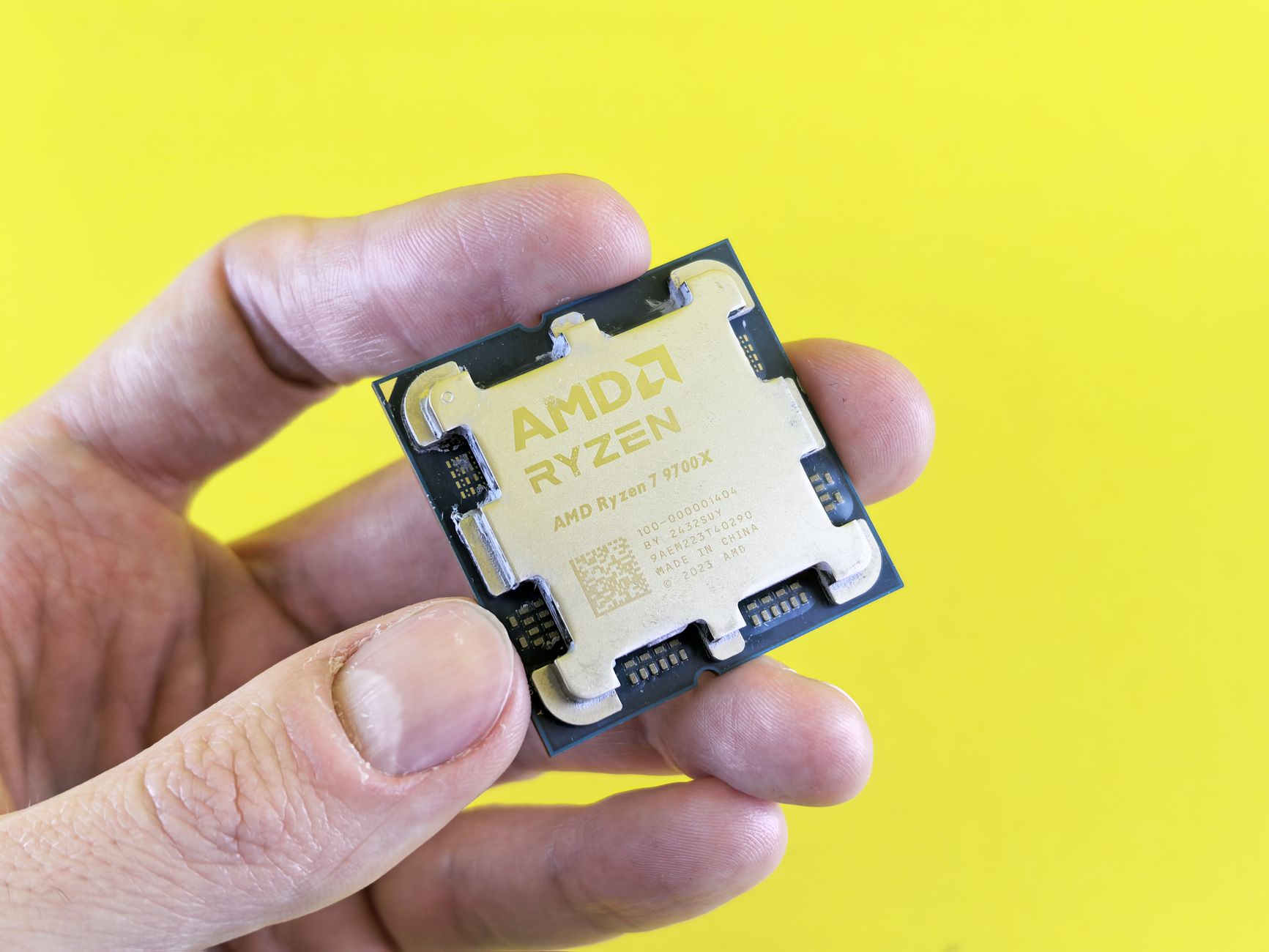
AMD Zen 6 SMT proves very advantageous even for 256 Core EPYC 9996. This technology demonstrates significant improvements in processing capabilities, making it a noteworthy development in the tech industry.
Overview of AMD Zen 6 SMT
The AMD Zen 6 SMT architecture has garnered significant attention in the tech community, especially following the release of the EPYC 9996. This new architecture promises enhanced performance and efficiency, making it a strong contender in the server market.
Key features of AMD Zen 6 SMT include:
- Improved multi-threading capabilities: The architecture allows for better handling of concurrent tasks, which is crucial for data centers.
- Increased core count: With support for up to 256 cores, the EPYC 9996 leverages Zen 6 SMT to maximize computational power.
- Enhanced power efficiency: Optimizations in the Zen 6 architecture lead to lower power consumption without sacrificing performance.
Overall, the advantages offered by AMD Zen 6 SMT make it a pivotal element in the EPYC 9996’s success and appeal to enterprise users.
Performance Analysis of EPYC 9996
The performance analysis of the AMD EPYC 9996 reveals significant advancements attributed to the AMD Zen 6 SMT architecture. This new generation of processors excels in multitasking capabilities, allowing for enhanced efficiency in data-heavy environments.
Key performance indicators showcase:
- Increased core counts: With up to 256 cores, the EPYC 9996 can handle larger workloads than ever before.
- Improved multi-threading: The incorporation of Zen 6 SMT optimizes thread management, boosting overall performance.
- Energy efficiency: Despite the higher performance, power consumption remains competitive, making it suitable for enterprise-level applications.
Overall, the AMD Zen 6 SMT proves to be a game-changer for the EPYC 9996, providing a robust solution for modern computing demands.
Benefits of SMT Technology
The introduction of AMD Zen 6 SMT technology offers significant benefits that enhance the performance of high-core-count processors like the EPYC 9996. This innovative approach allows for better resource utilization and improved throughput, leading to more efficient processing capabilities.
Key advantages of SMT technology include:
- Enhanced Multitasking: With simultaneous multithreading, the EPYC 9996 can handle multiple threads per core, leading to smoother performance in parallel workloads.
- Increased Efficiency: The Zen 6 architecture optimizes power consumption while delivering higher performance, making it ideal for data centers.
- Scalability: AMD Zen 6 SMT enables better scaling for applications requiring extensive computational resources, positioning the EPYC 9996 as a leader in its class.
Overall, AMD Zen 6 SMT represents a proven advantage, ensuring that the EPYC 9996 remains competitive in demanding environments.
Comparative Review with Previous Generations
The comparative review of AMD Zen 6 SMT with its predecessors reveals significant advancements in processing capabilities. Users have noted that the EPYC 9996, equipped with Zen 6 architecture, exhibits a remarkable improvement over previous generations, particularly in multi-threaded workloads.
Key differences include:
- Enhanced Core Efficiency: The Zen 6 architecture optimizes core usage, allowing for better performance per watt.
- Increased Thread Handling: SMT technology in Zen 6 enables the EPYC 9996 to manage more threads simultaneously, leading to faster computation times.
- Improved Scalability: As workloads increase, the architecture’s ability to scale effectively ensures that users experience consistent performance.
Overall, the AMD Zen 6 SMT presents a proven advantage, solidifying its position as a leader in high-performance computing for data centers.
Photo by Andrey Matveev on Pexels