Edward Clark
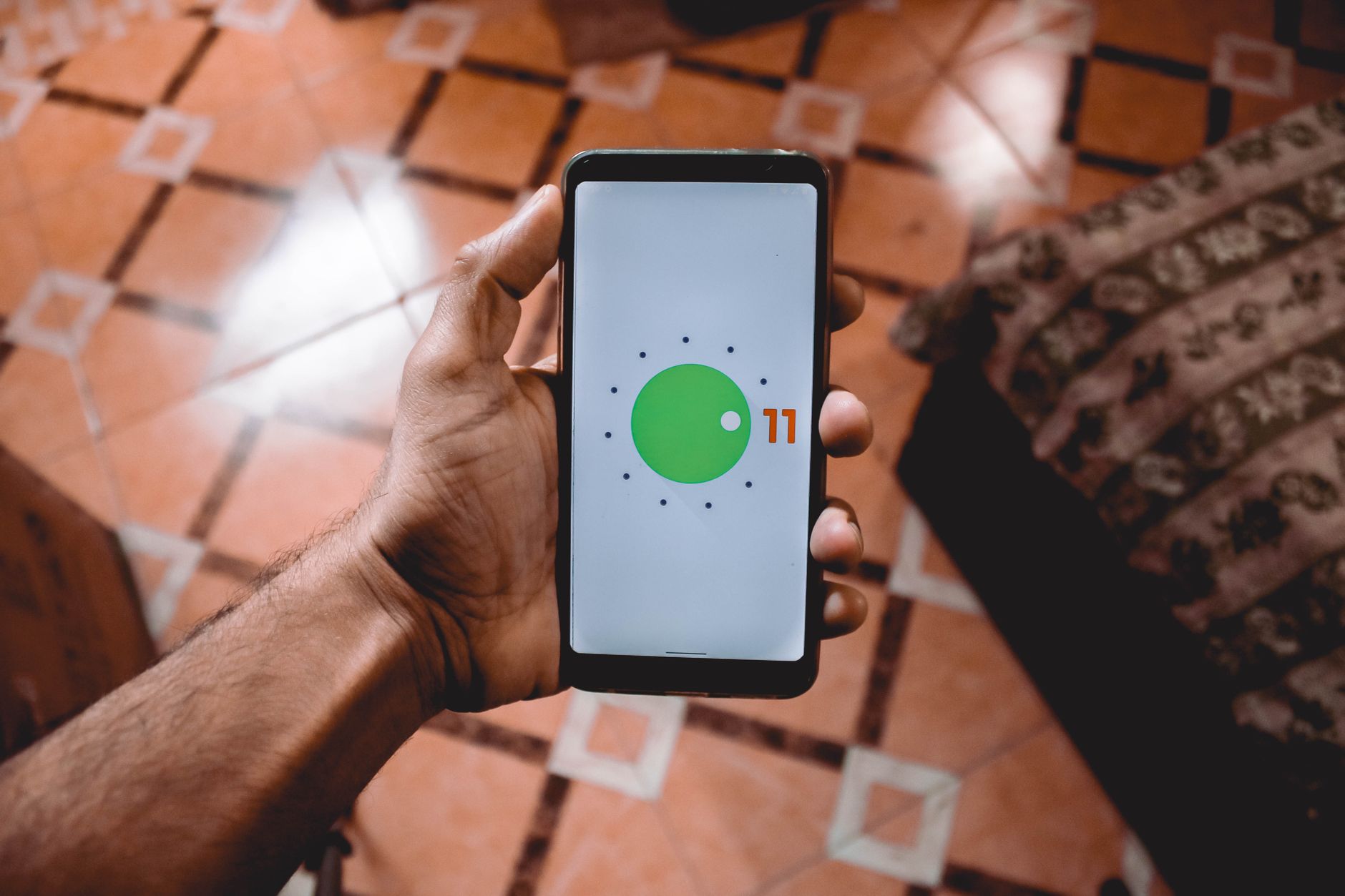
The Android Digital Wellbeing update introduces exciting features aimed at improving user experience. With the latest changes, users can expect enhanced insights into their digital habits.
What’s New in the Android Digital Wellbeing Update?
The latest Android Digital Wellbeing update brings several exciting features aimed at helping users manage their screen time and promote healthier digital habits. One of the most notable additions is the introduction of Weekly Insights, which provides users with a comprehensive summary of their app usage over the past week. This feature allows individuals to track their habits and make informed decisions about their digital consumption.
Another significant improvement is the integration of Gemini AI. This advanced AI technology enhances the Digital Wellbeing experience by offering personalized recommendations based on users’ behavior. For example, it can suggest optimal times to take breaks or limit usage of specific apps that may contribute to excessive screen time.
Additionally, the update includes new focus modes that help users concentrate on tasks by minimizing distractions. Users can customize these modes to silence notifications and restrict access to non-essential apps during designated hours.
With these enhancements, the Android Digital Wellbeing update is shaping up to be a vital tool for anyone looking to maintain a balanced relationship with their devices, ultimately promoting better mental health and productivity.
How Will Weekly Insights Change User Habits?
The upcoming Android Digital Wellbeing update introduces a feature known as “Weekly Insights,” which aims to transform user habits significantly. This innovative addition promises to offer users detailed summaries of their app usage and screen time, allowing them to reflect on their daily interactions with technology.
With these insights, users can expect to gain a clearer understanding of their digital consumption patterns. For instance, they may discover that they spend more time on social media than they anticipated, or that certain apps are consuming their attention during critical productivity hours. This self-awareness is crucial for fostering healthier digital habits.
Moreover, the weekly summaries are designed to encourage users to set personalized goals. By identifying areas for improvement, individuals can actively work towards reducing screen time or limiting distractions, ultimately leading to a more balanced lifestyle. The integration of these insights into daily routines could empower users to make informed choices about their technology usage.
In an era where digital well-being is paramount, the Android Digital Wellbeing update with Weekly Insights stands as a potential game-changer. It not only promotes awareness but also instills a sense of accountability in users, helping them cultivate a healthier relationship with their devices.
Understanding Gemini AI Integration
The latest Android Digital Wellbeing update introduces an exciting integration with Gemini AI, enhancing the functionality of this already popular tool. This integration aims to offer a more personalized experience that adapts to individual user habits and preferences.
Gemini AI utilizes advanced machine learning algorithms to analyze user behavior, providing tailored recommendations that encourage healthier digital habits. This means that instead of generic advice, users receive insights that are specifically relevant to their daily routines.
With features like contextual reminders and activity suggestions, users can better manage their screen time and prioritize their well-being. For instance, if Gemini AI detects that a user frequently scrolls through social media late at night, it may suggest limiting usage during those hours or propose alternative activities.
Moreover, the integration aims to make the overall user experience smoother and more intuitive. By understanding how users interact with their devices, Gemini AI can provide insights that feel more engaging and less intrusive.
As the Android Digital Wellbeing update rolls out, users can expect not only to gain deeper insights into their digital habits but also to benefit from a tool that evolves with their needs.
The Importance of Digital Wellbeing Tools
The rise of technology in daily life has brought about a growing need for tools that promote a healthy balance between digital engagement and real-world interactions. Digital wellbeing tools have emerged as vital resources for users aiming to manage screen time and foster healthier habits. The latest Android Digital Wellbeing update enhances these tools, making them even more relevant in today’s fast-paced digital environment.
As individuals increasingly find themselves tethered to their devices, the importance of maintaining mental and emotional health cannot be overstated. Digital wellbeing initiatives encourage users to take a step back, reflecting on their usage patterns. This self-awareness can lead to significant improvements in life quality, as users learn to prioritize offline activities and personal connections.
With the integration of features like weekly insights and AI capabilities from Gemini, the Android Digital Wellbeing update equips users with the necessary tools to analyze their digital habits. By providing actionable insights and personalized recommendations, these updates empower users to make informed decisions about their technology use.
Ultimately, the goal of the Android Digital Wellbeing update is to create a more harmonious relationship between users and their devices, promoting healthier lifestyles in an increasingly digital world.
User Reactions to the Latest Update
User reactions to the latest Android Digital Wellbeing update have been a mix of enthusiasm and skepticism. Many users have shared their thoughts on social media platforms, highlighting both the positive and negative aspects of the new features.
- Positive Feedback: A significant portion of users appreciates the integration of Gemini AI, which they believe enhances the personalized experience. One user commented, “The AI insights help me understand my screen time better than ever before!”
- Concerns Over Privacy: On the flip side, some users have expressed concerns regarding data privacy. “I love the features, but I’m worried about how much information Google is collecting,” one user noted.
- Interface Changes: Several users have also reacted to the updated interface, with mixed feelings. “The layout is cleaner, but I miss some of the previous shortcuts,” a user mentioned.
- Overall Sentiment: Despite the concerns, many users are optimistic about the Android Digital Wellbeing update, hoping that it will effectively promote healthier digital habits.
Overall, the feedback indicates that while the new tools are welcomed by many, there is a significant need for addressing privacy issues and enhancing user experience.
Future of Android’s Digital Wellbeing Features
The future of Android’s Digital Wellbeing features looks promising as Google continues to refine its approach to user health and technology balance. With the recent Android Digital Wellbeing update, the integration of innovative tools is set to enhance user experience and promote healthier habits.
One key aspect to watch is the potential for further AI-driven personalization. As Gemini AI becomes more integrated, users may receive tailored insights that adapt not just to their usage patterns but also to their personal goals and lifestyles. This could transform how individuals interact with their devices, making the technology work for them rather than the other way around.
Moreover, the ongoing emphasis on data privacy and user control is likely to play a crucial role in shaping future updates. Google has committed to ensuring that users have the ability to manage their data while still benefiting from these advanced features.
As more users engage with the Digital Wellbeing tools, feedback will continue to drive improvements. The community’s responses to features like Weekly Insights will inform Google about what works and what needs enhancement, ensuring the platform evolves in line with user needs.
Photo by Zain Ali on Pexels