Edward Clark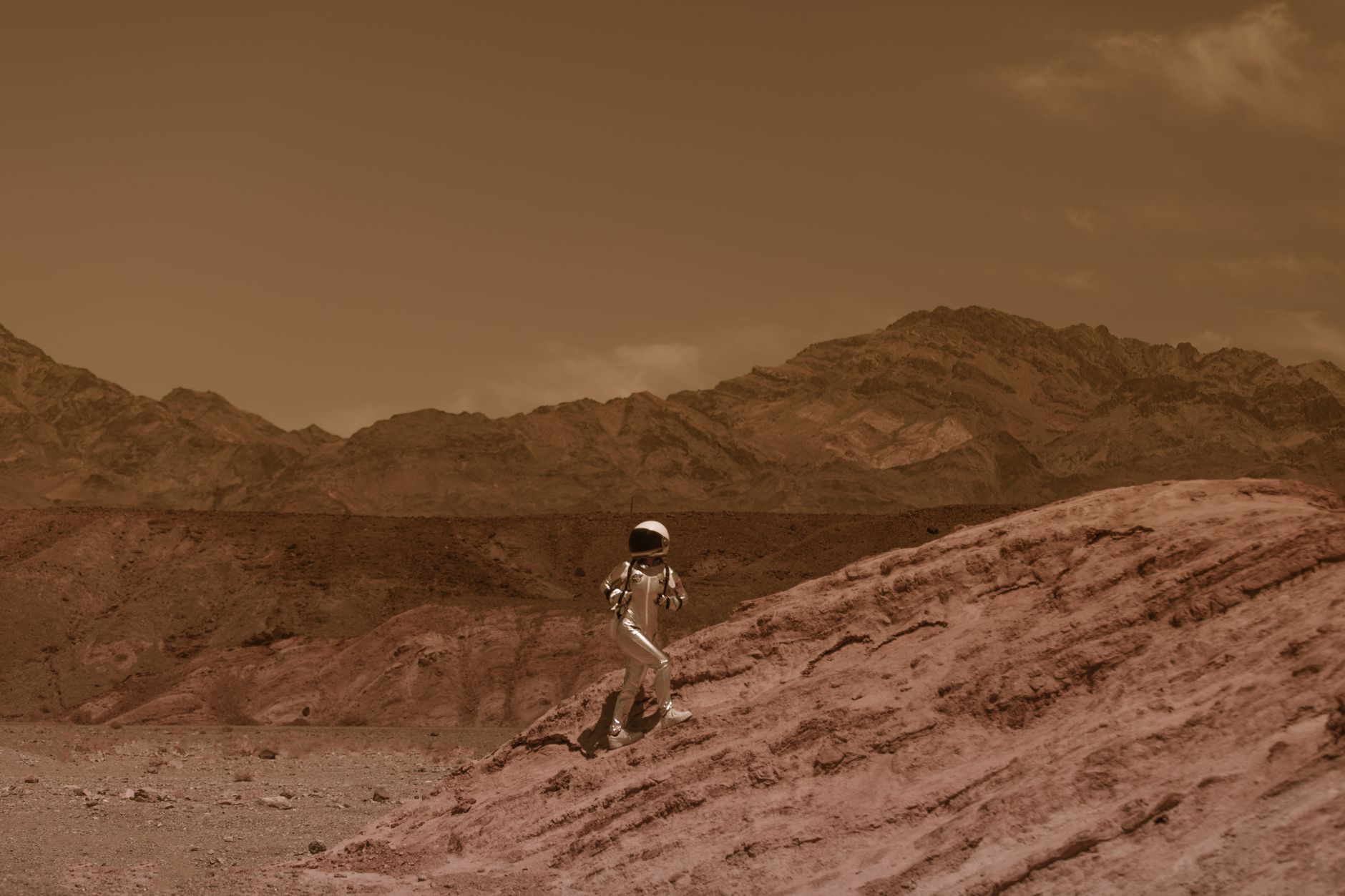
Curiosity Rover Mars footprints have been photographed on the surface of Mars, revealing intriguing details about the planet’s geological history.
What are the footprints on Mars?
The recent images captured by the Curiosity Rover have sparked intrigue among scientists and space enthusiasts alike. These “footprints” on Mars, which appear as distinct patterns in the Martian soil, have been the subject of much discussion since their discovery.
These formations are not actual footprints left by humans or animals but rather formations created by natural processes. The Curiosity Rover Mars footprints, as they are colloquially referred to, give researchers valuable insights into the planet’s geological history and environmental conditions.
Several factors contribute to the formation of these patterns:
- Erosion: Wind and dust storms on Mars can shape the surface, leading to unique formations.
- Temperature fluctuations: Day and night temperature changes can cause soil contraction and expansion, leaving distinctive marks.
- Water activity: Evidence suggests that ancient water flow may have influenced soil structure in certain regions.
By analyzing these footprints, scientists can draw conclusions about Mars’ past, including its potential to support life. The Curiosity Rover continues to play a crucial role in unraveling the mysteries of the Red Planet, and these findings are a testament to its ongoing mission.
As research progresses, the implications of these discoveries could lead to further exploration and a deeper understanding of Mars’ complex landscape.
How did the Curiosity Rover capture them?
The Curiosity Rover, a marvel of engineering and design, has been on a mission to explore the Martian surface since its landing in 2012. Recently, it captured intriguing images that have been dubbed “footprints” on Mars, sparking excitement among scientists and space enthusiasts alike. The discovery of these footprints is not just a random occurrence; it is a testament to the rover’s advanced capabilities in documenting the planet’s geology.
Equipped with a suite of scientific instruments and high-resolution cameras, the Curiosity Rover utilizes its MastCam to photograph the terrain. This camera is capable of capturing detailed images of Mars’ surface, allowing researchers to analyze various features. The rover’s ability to traverse the rugged landscape while maintaining its focus on scientific objectives has proven invaluable.
In addition to the MastCam, the rover employs laser technology to analyze rock compositions and surface materials. This multi-faceted approach enables scientists to gain insights into Mars’ history and environmental conditions. The footprints captured in the images suggest recent geological activity, possibly related to wind patterns or other erosive forces.
As scientists continue to study these findings, they highlight the importance of the Curiosity Rover’s ongoing mission. The footprints on Mars represent not only a fascinating discovery but also an opportunity for further exploration and understanding of the Red Planet’s past.
Significance of the footprints discovery
The recent discovery of what appears to be footprints on Mars by the Curiosity Rover has garnered significant attention from scientists and space enthusiasts alike. This finding is not merely a curiosity; it holds profound implications for our understanding of the Martian environment and the potential for past life on the planet.
Firstly, these Curiosity Rover Mars footprints challenge our perceptions of the Martian landscape. While many expect a barren and lifeless terrain, the patterns observed may suggest the presence of water or other elements that could support life. The analysis of these footprints could provide insights into how geological processes occur on Mars, indicating areas where conditions may have been more favorable for life.
Moreover, the footprints open up new avenues for exploration. They serve as a guide for future missions, directing attention to regions that warrant further investigation. Understanding the composition and age of these footprints could reveal the history of Mars, shedding light on its climatic changes over millions of years.
The significance of this discovery extends beyond just the footprints themselves. It highlights the importance of continued exploration and research on Mars, inspiring future missions that may one day uncover evidence of past life. As scientists analyze the data collected by the Curiosity Rover, the implications of this discovery will likely evolve, leading to new questions and exciting possibilities for our understanding of the Red Planet.
Curiosity Rover’s mission objectives
The Curiosity Rover was launched with the primary objective of exploring the Martian surface, investigating its geology, and assessing the planet’s habitability. One of the key goals of the mission has been to analyze the presence of water and organic compounds, which are essential for understanding if life ever existed on Mars.
In addition to these core objectives, the rover aims to:
- Examine Martian climate: Curiosity studies the planet’s atmosphere and weather patterns, providing insights into its climate history.
- Investigate geological features: The rover explores various Martian terrains, documenting rock formations and sedimentary layers, which helps in reconstructing the planet’s past.
- Identify potential resources: Curiosity seeks to locate resources that could support future human exploration, including water and minerals.
- Gather data for future missions: The rover collects vital information that will aid in the planning of future missions, like those aimed at returning samples to Earth.
- Public engagement: Through its stunning imagery and discoveries, Curiosity serves to engage the public’s interest in space exploration.
The recent discovery of what appear to be footprints on the Martian surface adds another layer to the Curiosity Rover’s mission objectives, inviting further exploration and analysis of this intriguing phenomenon.
Comparing footprints to Earth
The discovery of what appear to be footprints on Mars has sparked comparisons to similar findings on Earth, prompting scientists to delve deeper into the implications of these markings. The Curiosity Rover Mars footprints have been particularly intriguing, as they offer a unique opportunity to examine geological processes that may have parallels on our own planet.
On Earth, footprints can reveal a wealth of information about the environment in which they were formed, including:
- Foot shape and size: These details can indicate the type of organism that made them, as well as the conditions under which they walked.
- Imprints in various terrains: Footprints found in mud, sand, or snow can tell us how different elements interact with the environment.
- Age and preservation: The context of the footprints helps scientists understand how long ago they were made and what has happened to the landscape since.
Similarly, the Curiosity Rover Mars footprints may provide insights into the Martian surface and its history. Researchers are keen to analyze the composition and structure of these footprints to understand their origins better. This research could lead to broader conclusions about the potential for life on Mars and how its environmental conditions compare to those on Earth.
Future Mars exploration plans
As humanity looks to the stars, the discovery of the Curiosity Rover Mars footprints has sparked renewed interest in future exploration plans for the Red Planet. NASA’s ongoing commitment to Mars exploration aims to deepen our understanding of its geology, climate, and potential for past life. With the Curiosity Rover continuing to send back valuable data, scientists are eager to explore the implications of these findings.
Upcoming missions are focused on several key areas:
- Sample Return Missions: NASA plans to collect samples of Martian soil and rock, including those near the footprints, to bring back to Earth for thorough analysis.
- Human Exploration: Future missions are being designed to pave the way for human presence on Mars, with advanced rovers and habitat modules to support human life.
- Advanced Robotics: Building on Curiosity’s success, new robotic explorers equipped with better technology will be developed to traverse more challenging terrains.
- Collaboration with International Partners: NASA is also collaborating with international space agencies to share knowledge and resources, enhancing the scope of Martian research.
The footprints photographed by the Curiosity Rover serve as a reminder of the mysteries awaiting discovery on Mars. As scientists analyze these findings, they inspire a new generation to dream of what lies beyond our own planet.
The recent analysis of the Curiosity Rover Mars footprints has revealed intriguing patterns that suggest the presence of ancient water. Scientists believe these Curiosity Rover Mars footprints could lead to new insights about the planet’s geological history.
Photo by RDNE Stock project on Pexels
Where this came from
AI agents Google Home: The Smart Way to Control Devices · AI-driven industry model: The Smart Way to Innovate · BCCI Expert Advice: Proven Strategies from Cricket Legends