Edward Clark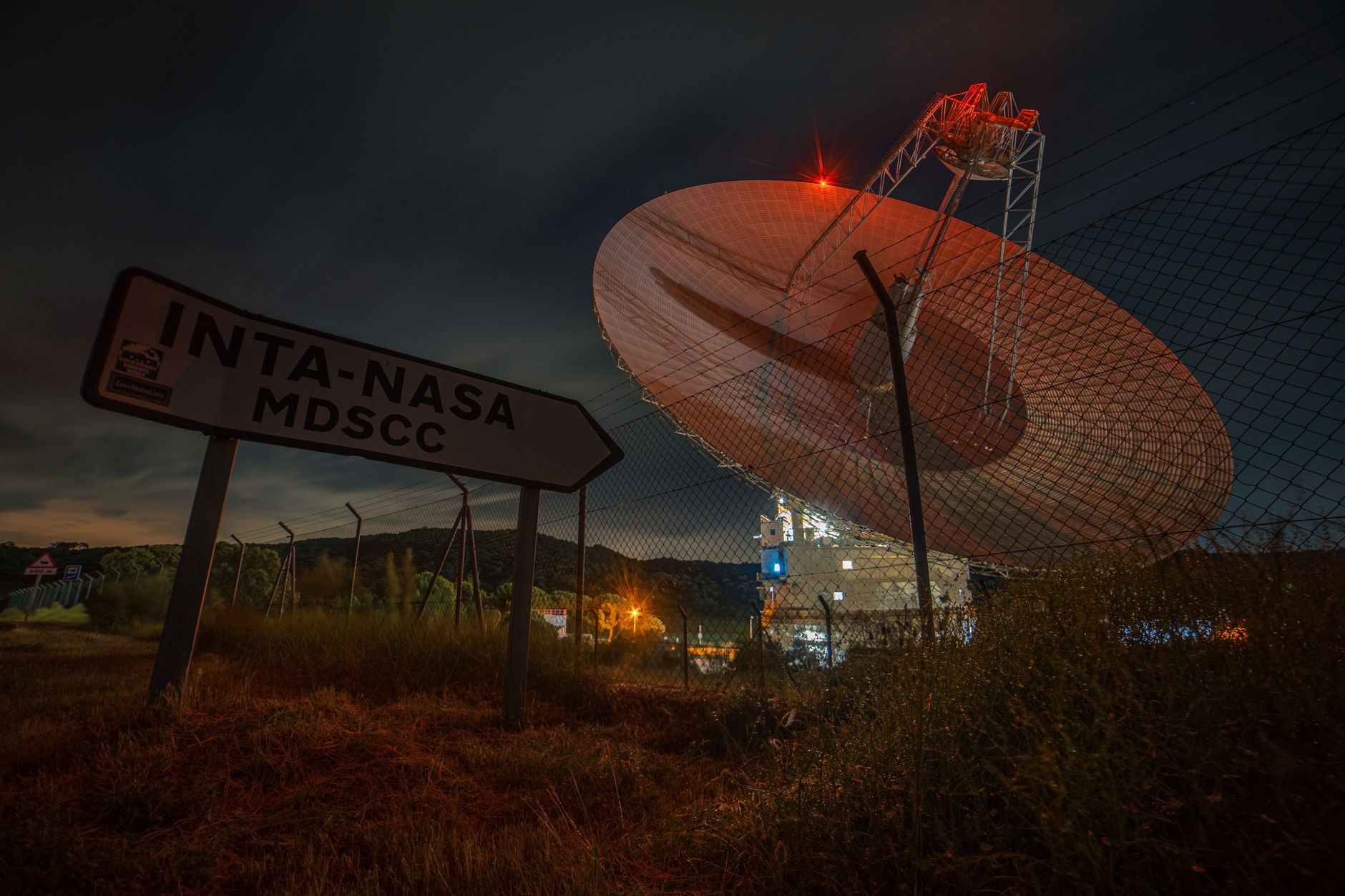
Deep Space Network expansion is a crucial development for NASA, enhancing its ability to communicate with spacecraft beyond Earth. This new addition in California’s desert aims to improve data transmission and support future missions.
What is the Deep Space Network?
The Deep Space Network (DSN) is a global network of large antennas and communication facilities used by NASA to communicate with spacecraft beyond low Earth orbit. It plays a crucial role in space exploration, enabling scientists to maintain contact with missions traveling to distant planets, moons, and other celestial bodies.
Comprising three primary complexes located in California, Spain, and Australia, the DSN ensures continuous communication with space missions, regardless of the Earth’s rotation. Each facility is equipped with powerful radio antennas that can send and receive signals over vast distances. The recent Deep Space Network expansion, which includes the addition of a giant new dish in the California desert, aims to enhance these capabilities further.
This expansion is essential for supporting current and future missions, including those targeting Mars, asteroids, and even the outer planets. Key features of the DSN include:
- High-gain antennas capable of transmitting and receiving data at high speeds.
- Advanced technology that minimizes signal loss and enhances data clarity.
- Global coverage that allows for constant communication with spacecraft.
Overall, the DSN is vital for the success of NASA’s ambitious exploration goals.
How does the new dish improve communication?
The recent expansion of the Deep Space Network (DSN) with the addition of a giant new dish in the California desert brings several significant improvements to communication capabilities for NASA. This state-of-the-art facility enhances the ability to communicate with spacecraft exploring distant planets and celestial bodies.
One of the key improvements offered by the new dish includes:
- Increased Sensitivity: The larger size of the dish allows for better reception of signals from deep space, which are often weak and difficult to detect.
- Higher Data Rates: Enhanced technology enables faster data transmission, allowing scientists to receive more information from missions in real-time.
- Broader Coverage: The new dish expands the network’s ability to communicate with multiple spacecraft simultaneously, improving mission coordination.
- Enhanced Reliability: The addition of more infrastructure increases redundancy, ensuring that communication links remain stable even if other dishes encounter issues.
Overall, the Deep Space Network expansion is seen as a strategic move for NASA, enabling more robust communication with ongoing and future missions, ultimately contributing to advancements in space exploration.
Impact on future space missions
The recent expansion of the Deep Space Network (DSN) is set to have a significant impact on future space missions. The addition of a giant new dish in the California desert is designed to enhance communication capabilities with spacecraft operating far beyond Earth.
As NASA embarks on ambitious missions to explore the Moon, Mars, and beyond, the improved connectivity provided by the expanded DSN will be crucial. This advancement enables:
- Increased data transmission: The new dish will allow for higher bandwidth, facilitating the transfer of large volumes of scientific data.
- Enhanced tracking: With superior tracking capabilities, NASA can maintain better contact with its missions, ensuring more reliable communication.
- Support for multiple missions: The DSN expansion will enable simultaneous communication with various spacecraft, streamlining operations and mission management.
Moreover, the expansion aligns with NASA’s goals to support international partnerships and commercial space endeavors, ensuring that the agency stays at the forefront of space exploration. As these advancements unfold, the benefits of the Deep Space Network expansion will likely play a pivotal role in shaping the future of space exploration.
Why is this expansion important for NASA?
The expansion of the Deep Space Network is crucial for NASA as it enhances communication capabilities with spacecraft operating far beyond Earth. With the increasing number of missions exploring distant planets, moons, and asteroids, a robust communication infrastructure is essential for receiving vital data and transmitting commands.
One of the primary reasons for this expansion is the need to support upcoming missions that demand high-bandwidth communication. As technology progresses, the amount of data collected by scientific instruments grows exponentially. This necessitates a network that can handle larger data streams efficiently.
Moreover, the new dish will improve the reliability of signals, minimizing the chances of data loss during transmission. This is particularly important for missions like those targeting Mars or the outer planets, where communication delays can span several minutes or even hours.
Additionally, the expansion reflects NASA’s commitment to staying at the forefront of space exploration. By investing in the Deep Space Network expansion, the agency ensures that it can support not just current missions but also future endeavors, paving the way for advancements in our understanding of the universe.
In conclusion, the Deep Space Network expansion is a strategic move that strengthens NASA’s capabilities and prepares it for the challenges of tomorrow’s space exploration.
The Deep Space Network expansion is a critical step for NASA to enhance its communication capabilities with distant spacecraft. As the agency explores deeper into the cosmos, the Deep Space Network expansion will ensure reliable data transmission and support for future missions.
Photo by Alejandro De Roa on Pexels