Edward Clark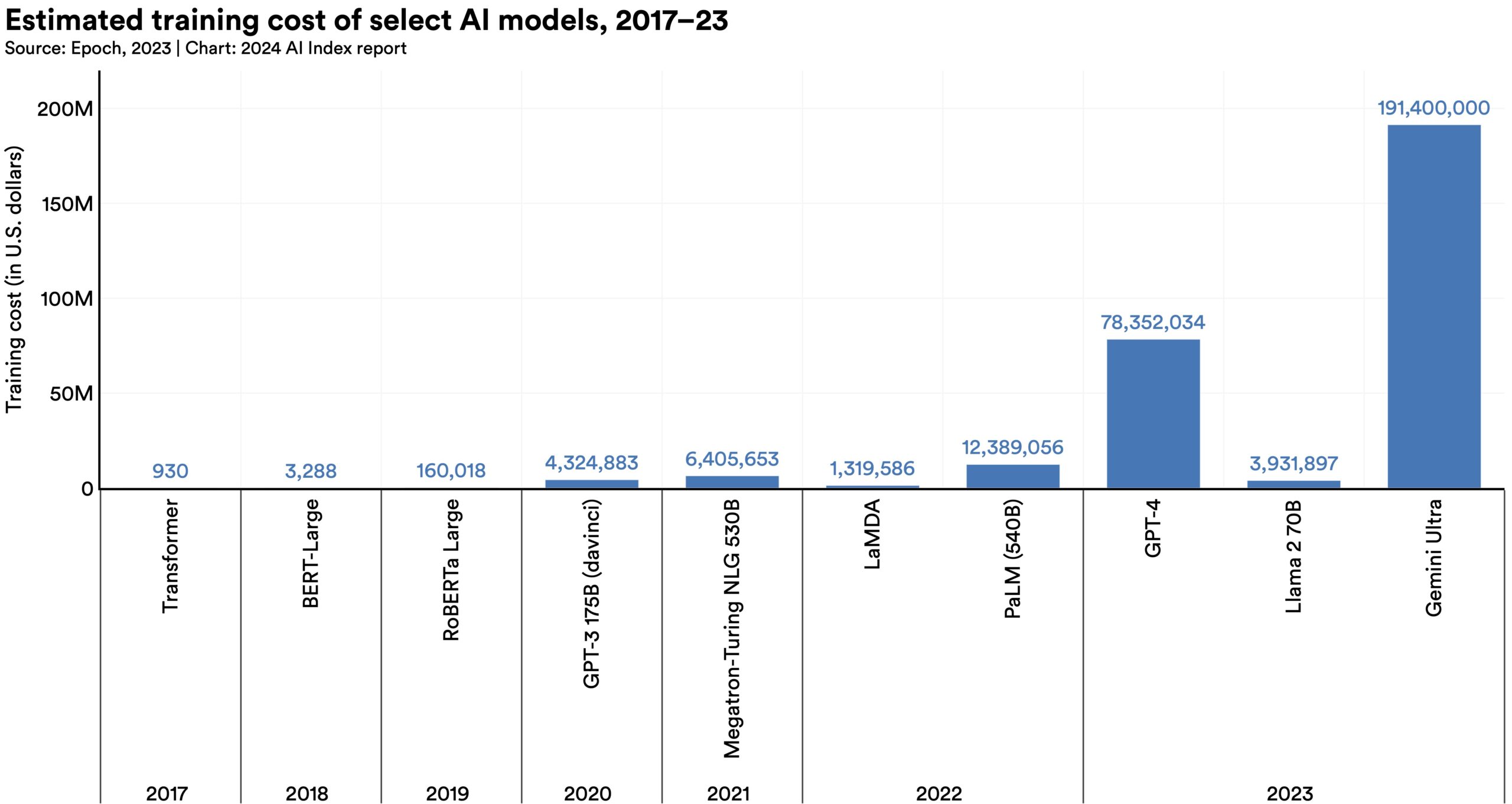
The open-weight AI model is set to challenge existing offerings from China, as Nvidia-backed startup Reflection reveals its capabilities. This innovative approach aims to provide a competitive edge in the AI landscape.
Introduction to Open-weight AI Models
The landscape of artificial intelligence is rapidly evolving, with open-weight AI models emerging as a formidable solution against competitive offerings. Recently, the Nvidia-backed startup Reflection has unveiled its latest open-weight AI model, which is designed to rival similar technologies from China. These models are gaining attention for their transparency and flexibility, enabling developers to customize and adapt the AI to various applications.
Open-weight AI models stand out due to their accessibility, allowing researchers and businesses to build upon existing frameworks without the constraints typically associated with proprietary systems. This approach not only fosters innovation but also encourages collaboration within the AI community. As demand for robust AI solutions continues to surge, the introduction of such models signifies a pivotal shift towards more open and adaptable technologies, setting the stage for future advancements in the field.
How Reflection’s Model Compares to Chinese Offerings
Reflection’s newly unveiled open-weight AI model is making waves in the tech community, particularly in comparison to offerings from Chinese companies. Industry experts have noted several key differences that may give Reflection an edge in the competitive landscape.
Firstly, the open-weight nature of Reflection’s model allows for greater transparency and flexibility, enabling developers to customize it to meet specific needs. In contrast, many Chinese models operate under stricter constraints, limiting user adaptability.
Additionally, the performance metrics of Reflection’s model have been shown to excel in various benchmarks, demonstrating superior efficiency and accuracy. This has raised questions about the sustainability of traditional Chinese models in a rapidly evolving market.
Ultimately, the success of the open-weight AI model could redefine industry standards and alter the dynamics between Western and Eastern AI technologies.
Key Features of Reflection’s AI Model
The open-weight AI model developed by Reflection boasts several key features that set it apart in the competitive landscape of artificial intelligence. One of the most notable aspects is its transparency, allowing users to examine and modify the underlying architecture easily. This fosters a collaborative environment where developers can contribute to its ongoing improvement.
Additionally, the model is designed for scalability, enabling it to handle various tasks across different industries without significant adjustments. The integration of cutting-edge machine learning algorithms ensures that it remains effective against rivals, particularly those from China.
Furthermore, Reflection’s commitment to community engagement allows for a diverse range of applications, making its open-weight AI model a versatile choice for businesses seeking innovative solutions.
In summary, these features position Reflection’s model as a formidable competitor in the AI market.
The Impact of Nvidia’s Backing
The backing of Nvidia has significantly impacted the development and success of the open-weight AI model introduced by Reflection. With Nvidia’s extensive resources and expertise, Reflection has been able to enhance its model’s capabilities, allowing it to stand out in a competitive landscape. This partnership not only provides access to cutting-edge technology but also creates a strong foundation for future innovations.
As the global market increasingly demands advanced AI solutions, the influence of Nvidia is expected to propel the open-weight AI model to new heights. Competitors, particularly those from China, will face mounting pressure as Reflection’s model gains traction.
Moreover, the collaboration promises continuous improvements and updates, ensuring that Reflection remains at the forefront of AI advancements. In summary, Nvidia’s involvement is a game-changing element that strengthens the viability and appeal of Reflection’s open-weight AI model.
Industry Reactions to the New Model
Industry experts have expressed mixed reactions to the unveiling of the open-weight AI model by Nvidia-backed startup Reflection. Many see this development as a significant step forward in the competitive landscape of artificial intelligence.
- Supporters argue that the model’s open-weight design enhances transparency and collaboration, allowing developers to build on existing frameworks.
- Critics are concerned about potential security risks associated with open access, suggesting that it may invite misuse by bad actors.
- Investors remain optimistic, highlighting the model’s potential to disrupt current market offerings, especially those from China.
- Researchers have noted that the open-weight AI model could accelerate innovation, enabling faster advancements in machine learning applications.
Overall, the launch has ignited conversations about the future direction of AI technologies and their implications for global competition.
Future of Open-weight AI Technology
The future of open-weight AI technology appears promising, particularly as more companies recognize its potential to democratize access to advanced AI models. As the landscape evolves, several trends are anticipated to shape the development and implementation of these models.
- Increased Collaboration: Companies will likely engage in partnerships to enhance innovation and accelerate the deployment of open-weight AI solutions.
- Regulatory Considerations: As the technology matures, governments may introduce regulations to ensure ethical usage and mitigate risks associated with AI deployment.
- Enhanced Accessibility: With the backing of major players like Nvidia, open-weight AI models will become more accessible to startups and researchers, allowing for a broader range of applications.
Ultimately, the open-weight AI model represents a significant shift in how artificial intelligence is developed and utilized, positioning it as a key player against rival technologies.
Conclusion and Next Steps
In conclusion, the unveiling of the open-weight AI model by Reflection represents a significant advancement in the competitive landscape of artificial intelligence. As industries continue to evolve, this model not only showcases superior features but also sets a new benchmark for performance against rivals, particularly those from China. The backing of Nvidia further solidifies its credibility, promising robust support for developers and businesses alike.
Looking ahead, the next steps involve widespread adoption and integration of this model into various applications. Stakeholders should consider the potential for collaboration and innovation that this open-weight AI model offers.
- Engage with the developer community for feedback.
- Pursue partnerships for enhanced capabilities.
- Monitor industry trends for further advancements.
Ultimately, the future of open-weight AI technology lies in its ability to adapt and grow, paving the way for groundbreaking developments in the sector.
By Stanford Institute for Human-Centered Artificial Intelligence (permission obtained by email from the AI index research manager) via Openverse
Sources
The Business Times · Open-weight model
Sovereign AI Projects: The Right Path to Proven Innovation · Data Center Chiller Deal: Best Proven Solutions for Efficiency · Honda Civic Type R: The Best Proven Update for 2027